
Your recovery is more than a claim — it's your life.
If you're recovering from an injury or illness and things feel stuck, you are not alone — and we can help. Our award-winning Restore programs are built around you: rebuilding your strength, your confidence and your sense of what comes next, at a pace that respects where you are right now.
Meet us, and hear from people who've been there.
Take a couple of minutes to get to know who we are and what the program is about — and to hear from people who've been through it themselves. It plays right here, so you won't lose your spot on the page.
- Who we are and what the program is about
- Real participants sharing their own recovery journey
- The difference the program has made for them
- A sense of the ground we cover together
Recovery can feel like it has stalled.
When an injury drags on, it stops being about the body alone. The hardest part is often what happens to your confidence, your routine and your sense of control. We see this every day — and we know it can change.
You feel stuck
Appointments, paperwork and waiting — but the needle isn't moving. It's hard to see a clear path back to the life and work you had.
Your confidence has taken a hit
Pain, fatigue or low mood have crept in. The things you used to do without thinking now feel daunting, and that wears you down.
The system feels impersonal
You can feel like a case number rather than a person. You want someone in your corner who actually understands what recovery takes.
A supportive, science-based pathway — built around you.
The Change Room's recovery programs follow a structured pathway that builds physical, cognitive and functional capacity together — in an environment designed to feel safe and human.
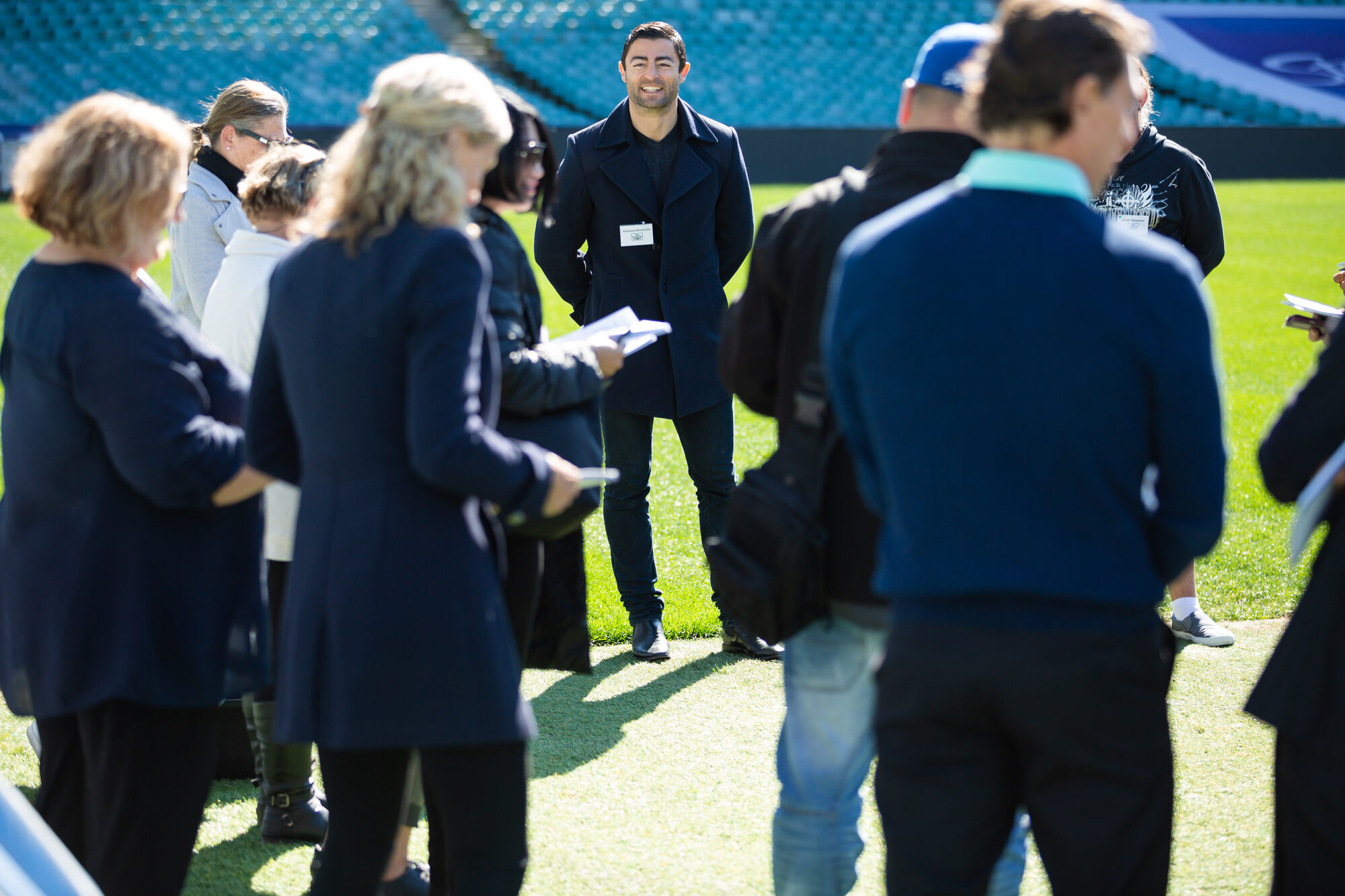
We start where you are
No judgement, and no rush. We understand your injury, your goals and what a good day looks like for you — then build from there.
Rebuild capacity, step by step
Using proven, practical methods, you'll steadily rebuild your strength, feel calmer and more settled day to day, and get your sleep and energy back on track — one manageable step at a time.
Restore confidence
Alongside others who get it, you'll prove to yourself — in small, real ways — that you can move forward. Confidence follows capability.
Prepare for what's next
Whether that's a return to work, study or simply living more fully, we help you build the functional readiness to take the next step on your terms.
Real people. Real recoveries. Real momentum.
The most honest picture of Restore comes from the people who've lived it. Hear from past participants about what shifted for them — in their own words.
Free resources to help you move forward.
Here are some practical tools you can use today. Tell us where to send them and we'll email them straight to you.
The Restore program brochure
An overview of Restore Live, Restore at Home and Supporter's Day — how each works and which might suit you.
A note for your treating specialist
A plain, unbranded Word template for your GP or specialist to complete on their own letterhead. It helps them explain your injury, capacity, recovery needs and the reason for referring you to your insurer.
How Restore complements clinical care
Our founder Matt Elliott on the gap between clinical recovery and getting your life back — and how the program works alongside your medical treatment, supporting your clinical care rather than replacing it.
Read the articleFind a start that works for you.
Online, on your schedule
Newcastle — McDonald Jones Stadium
Sydney — Accor Stadium
We work alongside Australia's leading workers compensation insurers and schemes to support people through their recovery.





Recovery shouldn't depend on who's funding it.
Most people come to us through their insurer or workers compensation scheme — but you don't have to. Whether your claim has come to an end, you're recovering from something that isn't covered, exploring our online program from another part of the country, or reaching out from overseas, there's a way in for you.
Tell us a little about your situation and we'll help you find the right pathway forward.
Questions people often ask.
If you're wondering whether this is right for you, here are the things we're asked most. Still unsure about something? Reach out — we're always happy to talk it through.
Does The Change Room meet the new NSW legislative requirements?
Yes* — our injury-specific behavioural recovery program is designed to address the reasonable and necessary requirements. The NSW changes took effect on 1 October 2026 for new treatment or service claims made on or after that date. Our case manager guide explains the program against four areas: primary purpose, clinical justification, cost effectiveness and value for money, and the exclusions check.
*The right program, for the right worker, at the right time. Alignment does not mean every referral is suitable or automatically approved. The treating practitioner considers the worker's injury, stability, barriers and goals; the insurer determines approval on the individual claim, including whether the proposed service falls within an excluded category. This is not a claim of blanket SIRA approval.
Where recovery or capacity has stalled, the program may be a strong candidate for consideration once the worker is ready to engage safely. This includes people with no current capacity who are not at work, people who have capacity but need help to use or sustain it, and people returning to or already at work who face a risk of re-injury or loss of capacity.
We focus first on the behavioural foundations of recovery: daily routines, sleep, movement, connection, confidence and engagement with the treating team's plan. Improved sustainable capacity, participation in work and a renewed sense of purpose are outcomes we work towards as those foundations strengthen — not a guaranteed result or a substitute for clinical care.
See SIRA's official guidance on the 1 October 2026 changes. Earlier treatment or service claims can be subject to transitional rules.
How do the programs start?
Can I bring a support person with me to the program?
How does the program work alongside my treating specialist?
Will I feel supported, or just like another number?
How do you track my progress?
You don't have to work this out on your own.
Reach out and we'll talk you through your options — gently, and at your pace. Just a conversation about what recovery could look like for you.